USLGE Membership
RSG is a proud member of U.S. Livestock Genetics Export, Inc. (USLGE), an organization focused on developing international markets for U.S. livestock genetics and connecting livestock producers around the world with
high-quality genetics, technology and expertise from the United States.
Through its USLGE membership, RSG participates in international market assessments, technical training, producer education and genetics-development projects. These activities bring together U.S. breeders, livestock
organizations, universities, government agencies, veterinarians, researchers and international producers to identify opportunities for U.S. genetics while helping build the technical capacity needed to successfully utilize
those genetics
International Market Development
Nigeria
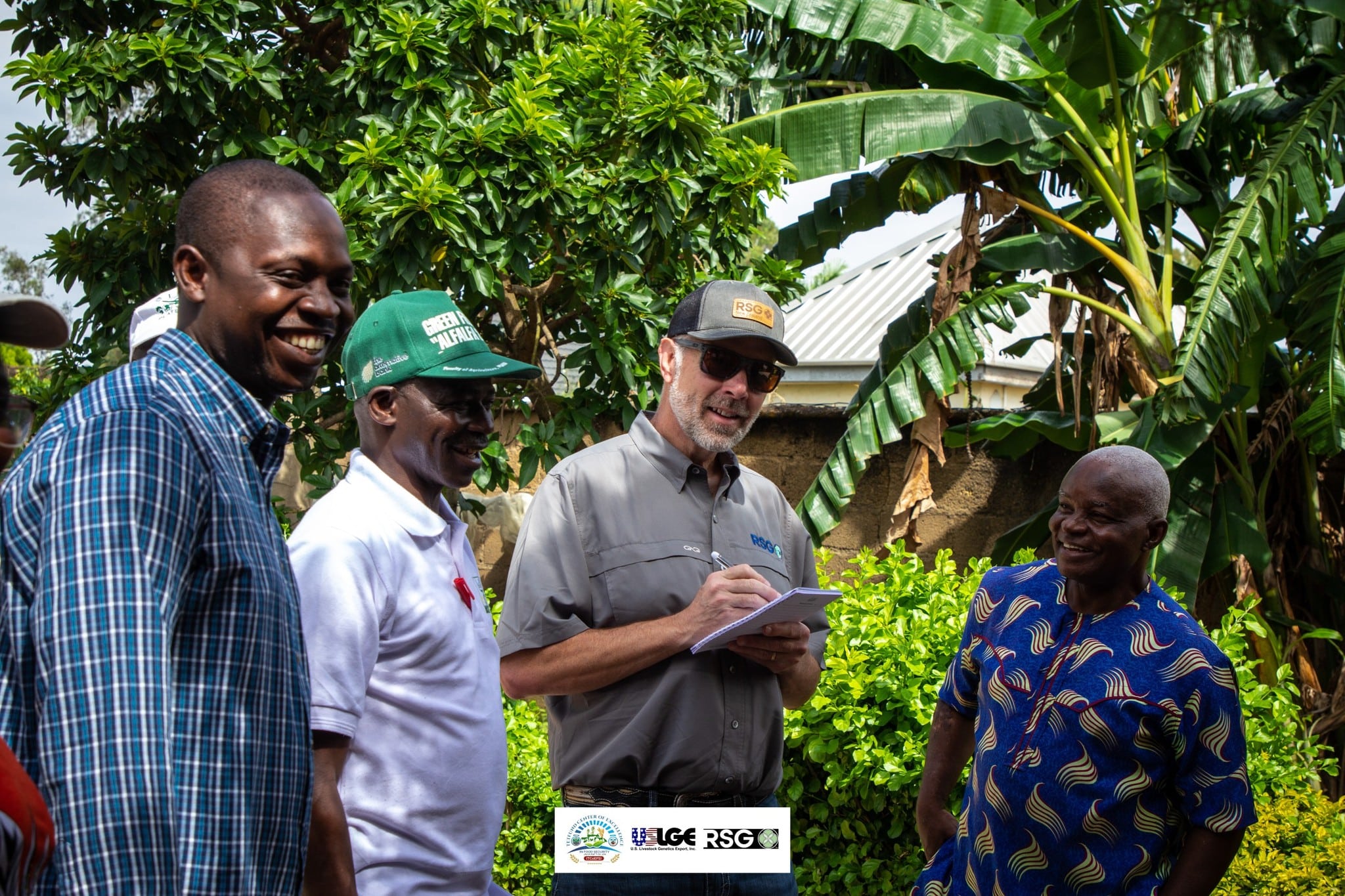
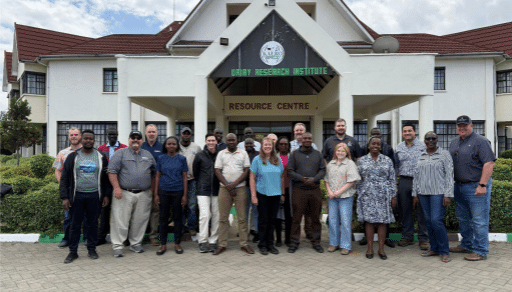
In September 2025, RSG participated in a USLGE trade and technical mission to Kenya focused on small-ruminant genetics, reproductive technologies and producer education. The U.S. delegation included RSG, the Missouri Department of Agriculture, Tennessee Department of Agriculture, and breeders and livestock-industry
stakeholders from Missouri and Tennessee.
Working with the Kenya Agricultural and Livestock Research Organization (KALRO) and Kenyan livestock professionals, the delegation evaluated production systems, research programs and opportunities for greater use of U.S.
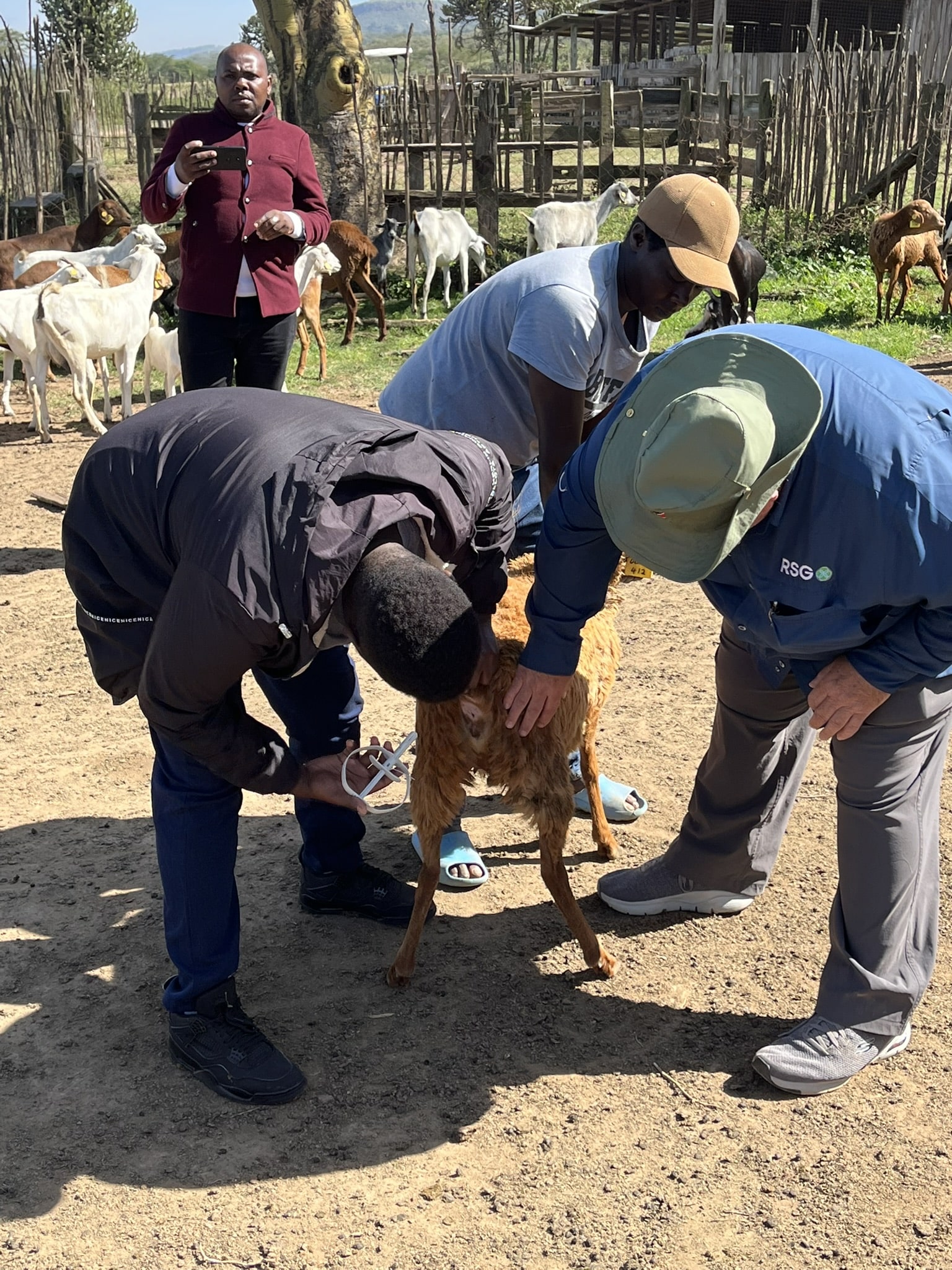
sheep and goat genetics. RSG representatives also led hands-on artificial insemination training covering sheep and goat reproduction, semen handling, laparoscopic artificial insemination (LAI), Splash Breeding, breeding-male management and the use of U.S. genetics.
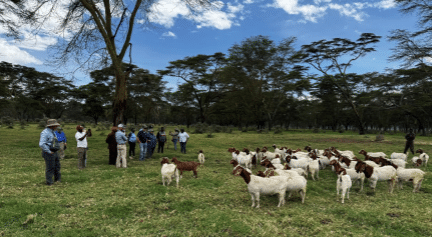
The delegation visited research centers, breeding operations and local producers, providing an opportunity to better understand the challenges and opportunities facing Kenya’s small-ruminant sector.
The 2025 assessment has helped establish the foundation for continued work focused on reproductive education, technical training and access to U.S. genetics. RSG continues working through USLGE to help develop a sustainable
model that combines genetics, reproductive technology, training and knowledge transfer while creating long-term opportunities for U.S. livestock producers.
Kenya
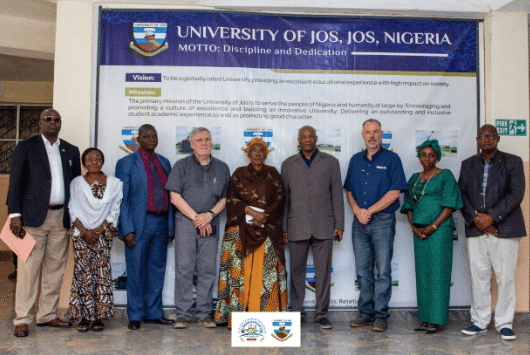
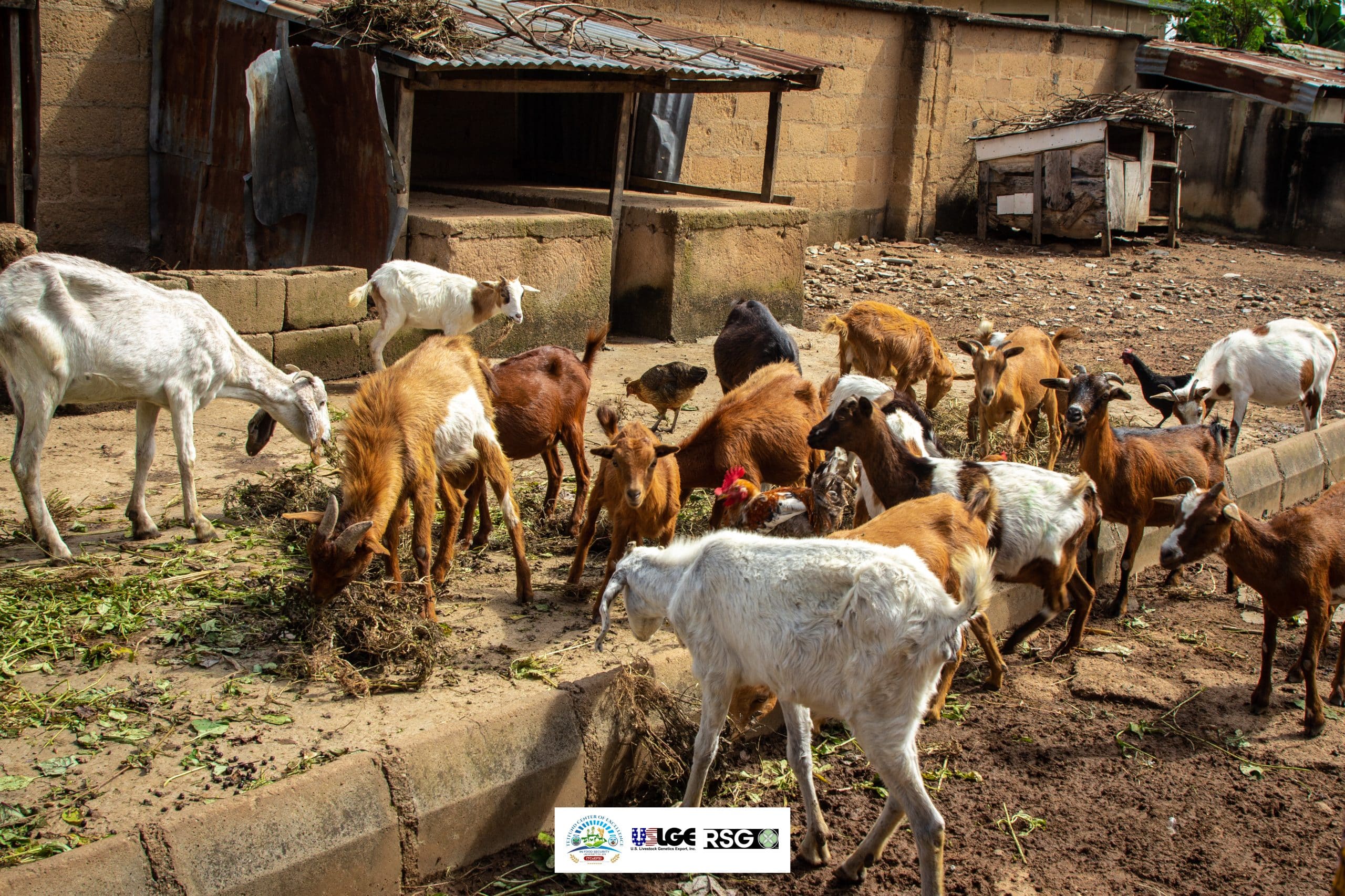
In October 2025, RSG traveled to Nigeria with USLGE to assess opportunities for advancing sheep and goat production and expanding access to U.S. livestock genetics and reproductive technologies. The delegation met with universities, government agencies, livestock organizations, veterinarians and producers to better understand current production systems and identify opportunities for long-term development.
A central collaborator in this effort has been the University of Jos, including its Veterinary Teaching Hospital. RSG and USLGE have also worked with Nigerian agricultural leaders who previously participated in the USDA Cochran Fellowship Program, helping connect U.S. livestock expertise with individuals already working to advance Nigeria’s livestock sector.
The assessment identified opportunities to strengthen animal nutrition, management, animal identification and recordkeeping, reproductive technologies and genetic diversity. Building upon the initial assessment, RSG continues working through USLGE to explore programs that combine U.S. sheep and goat genetics with reproductive training, producer education and technical support.
The long-term objective is not simply to introduce new genetics, but to help build the knowledge and infrastructure necessary for those genetics to create sustainable improvement within Nigeria’s sheep and goat industries.
Rwanda
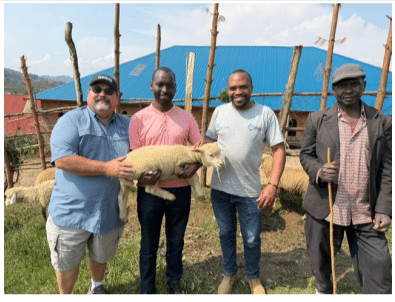
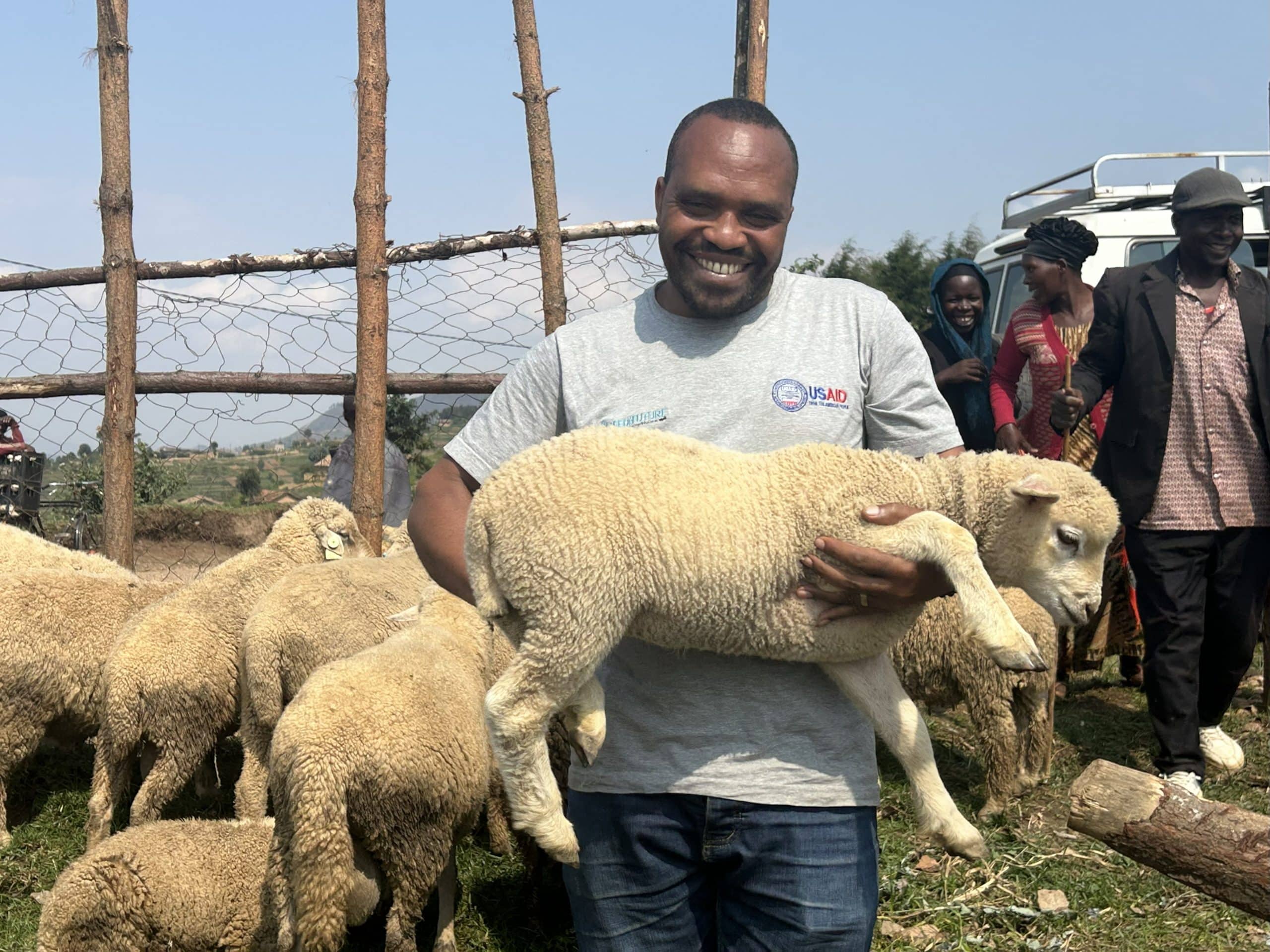
RSG’s work through USLGE in Rwanda is focused on exploring how U.S. sheep and goat genetics, advanced reproductive technologies and producer education can contribute to the continued development of the country’s smallruminant sector.
RSG and USLGE have engaged with organizations including the Rwanda Agriculture and Animal Resources Development Board (RAB), Songa Centre, Handspun Hope and Bridge2Rwanda, along with government and agricultural stakeholders. These relationships are helping identify opportunities for genetic improvement, reproductive
The developing initiative is designed to go beyond simply exporting genetics. The objective is to combine carefully selected U.S. genetics with reproductive training, animal identification and performance records, nutrition and management education, and evaluation of offspring produced from imported genetics.
This approach can help build local technical capacity while demonstrating the value of U.S. genetics and establishing long-term relationships between Rwandan livestock producers and U.S. breeders and genetics suppliers.
This is a stronger direction than the existing Rwanda copy, which makes some fairly broad predictions about future imports and focuses heavily on the country’s history rather than explaining what RSG is actually doing there.
Germany
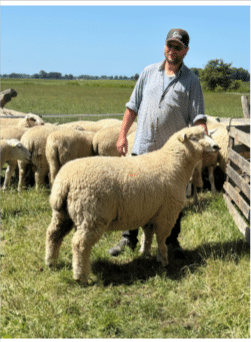
In June 2026, RSG participated in a USLGE market assessment in Germany to evaluate the performance of previously exported U.S. sheep genetics and better understand opportunities and barriers for expanding U.S. small-ruminant genetics in the European market.
The assessment included visits with sheep breeders, dairy sheep operations and German breeding organizations. A significant focus was evaluating the results of an earlier U.S. Babydoll Southdown semen project. The imported genetics produced encouraging results, including approximately a 60% pregnancy rate, healthy offspring and breeder demand that exceeded the available supply.
The assessment also provided valuable insight into the challenges facing greater adoption of imported genetics and advanced reproductive technologies in Germany. These included complex regulatory and permitting requirements, limited availability of veterinarians and technicians trained in advanced small-ruminant reproduction, labor constraints and relatively limited adoption of artificial insemination, embryo transfer and IVF.
Despite these challenges, discussions with German breeders demonstrated interest in U.S. genetics, particularly when genetics can provide traits or bloodlines that are difficult to source within Europe. The assessment reinforced the importance of combining genetics exports with practical reproductive solutions, technical education and continued market-development support.
South Africa
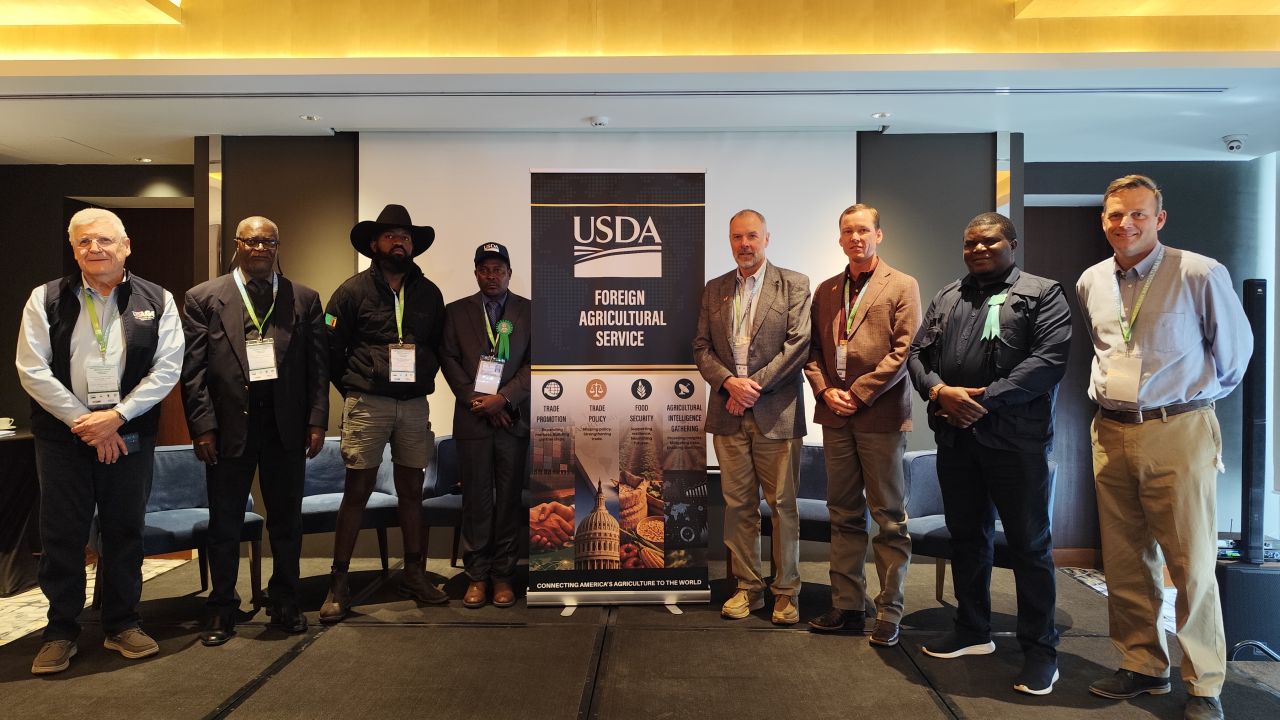
In August 2026, RSG participated in a USLGE market-development roadshow across Zimbabwe, Zambia and Namibia. The delegation brought together USLGE, RSG, the American Boer Goat Association (ABGA) and the USDA Foreign Agricultural Service (FAS) to evaluate opportunities for expanding U.S. livestock genetics and reproductive technologies throughout Southern Africa.
During the roadshow, the delegation met with government officials, universities and research institutions, livestock organizations, veterinarians, breeders, commercial producers and other agricultural stakeholders. RSG provided information on advanced small-ruminant reproductive technologies including artificial insemination, embryo transfer and IVF, along with semen and embryo production, international shipping, technical consulting and reproductive training.
The visits highlighted growing interest in improving access to U.S. genetics while also strengthening the infrastructure necessary to successfully use those genetics. Discussions included artificial insemination capacity, semen collection and processing, liquid-nitrogen availability, veterinary and technician training, farmer education and the potential development of regional or satellite reproductive service centers.
The assessment also demonstrated increasing interest in expanding genetic-improvement programs beyond cattle to include sheep and goats, creating new opportunities for U.S. breeders and genetics suppliers.
RSG continues working through its USLGE membership to evaluate opportunities identified during the roadshow and to help develop sustainable programs combining U.S. genetics, reproductive technology, education and local capacity building.
Building Sustainable Markets for U.S. Genetics
Across these projects, RSG’s international work has a common objective: develop sustainable markets for U.S. livestock genetics by combining genetics with the technology, training and knowledge required to successfully use them.
Rather than viewing international development as a single genetics sale, RSG works through USLGE to help assess markets, build relationships, develop reproductive capacity, educate producers and veterinary professionals, and identify genetics that can address specific production needs.
This approach creates opportunities for livestock producers internationally while developing long-term export opportunities for U.S. sheep and goat breeders and the broader American livestock genetics industry.